How to Tell If Your Roof Has Storm Damage in Florida: 9 Signs to Look For
How to Tell If Your Roof Has Storm Damage in Florida: 9 Signs to Look For
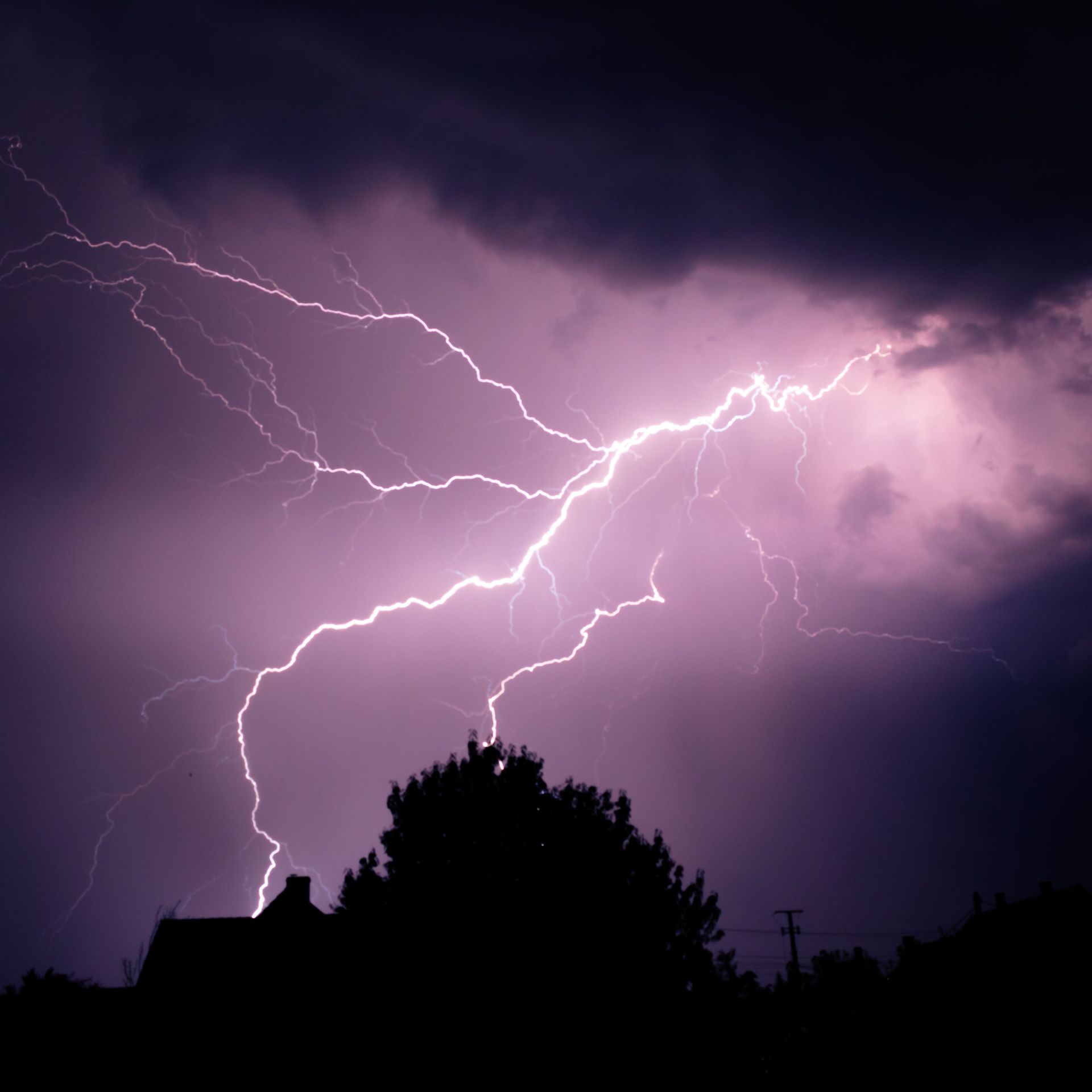
Florida storms can move through quickly, but the damage they leave behind isn't always obvious.
A roof does not have to be leaking immediately after a thunderstorm, tropical storm, or hurricane to have suffered damage. High winds and wind-driven rain can affect shingles, flashing, vents, metal panels, and other roofing components without creating an obvious problem from the ground.
That's especially important for homeowners in Titusville and Brevard County, where roofs routinely face intense sun, heavy rain, thunderstorms, tropical weather, and high winds.
So how do you know whether your roof needs attention after a storm?
Here are nine signs of roof storm damage Florida homeowners should watch for — and what to do if you find them.
1. Missing or Lifted Shingles
Missing shingles are one of the easiest signs of wind damage to identify.
Strong winds can loosen or completely remove shingles, exposing the roofing system underneath.
But shingles don't always disappear completely.
Wind can also cause shingles to:
- Lift at the edges
- Curl upward
- Break their adhesive seal
- Shift out of position
- Crack or crease
A lifted shingle may settle back down after the storm, making the damage difficult to see from ground level.
That is one reason a professional roof inspection can be valuable after a significant weather event.
2. Shingles That Look Creased or Bent
Wind damage sometimes leaves a horizontal crease across a shingle.
This can happen when strong wind lifts part of the shingle before it falls back into place.
From your driveway, the roof may still appear normal.
Up close, however, a damaged shingle may no longer have the same strength or weather resistance it had before the storm.
Individual damaged shingles may be repairable when the rest of the roofing system remains in good condition.
Widespread wind damage may require a more extensive solution.
3. Excessive Granules in Your Gutters
Asphalt shingles are covered with protective granules.
Some granule loss is normal as a roof ages, but a noticeable increase following severe weather can be worth investigating.
Check areas such as:
- Gutters
- Downspouts
- Driveways near downspouts
- Ground immediately around the home
You may also notice dark or uneven areas on the roof where granules have been displaced.
Granule loss does not automatically mean you need a new roof, but widespread deterioration should be professionally evaluated.
4. New Water Stains or Ceiling Discoloration
Sometimes the first visible warning sign appears inside the house rather than on the roof.
Look for:
- Brown or yellow ceiling stains
- Damp drywall
- Bubbling paint
- Discoloration near exterior walls
- Moisture around ceiling fixtures
- Damp areas in the attic
- Musty odors
Even a small water stain deserves attention.
Water can travel along roof decking, framing, pipes, and other materials before becoming visible inside the home. That means the location of a ceiling stain isn't necessarily directly underneath the point where water entered.
5. Damage Around Flashing, Vents or Roof Penetrations
Some of the most vulnerable sections of a roofing system are the areas where different components meet.
These can include:
- Pipe boots
- Roof vents
- Flashing
- Chimneys
- Skylights
- Valleys
- Ridge vents
- Wall-to-roof connections
High winds and heavy rain can expose weaknesses in these areas.
If flashing becomes loose or a seal fails, water may find a path underneath the roofing material even when the shingles themselves appear intact.
6. Dents or Damage to Metal Roofing
Metal roofs handle Florida weather differently from asphalt shingles, but they can still sustain storm damage.
Depending on the storm, homeowners may notice:
- Dents
- Scratches
- Loose fasteners
- Displaced panels
- Damaged seams
- Bent flashing
- Damage around roof edges
Some cosmetic marks may not affect performance, while damage to seams, fasteners, flashing, or panels can be more significant.
A professional inspection can help distinguish between the two.
7. Damaged Gutters, Soffit or Fascia
Storm damage isn't limited to the main roof surface.
Inspect the exterior of your home for problems such as:
- Loose gutters
- Bent gutters
- Missing soffit
- Damaged fascia
- Detached downspouts
- Pieces of roofing material around the yard
Damage around the roof edge can potentially create places for wind-driven rain to enter.
And if debris or pieces of roofing material are lying around the property after the storm, there may be damage above that isn't visible from the ground.
8. Tree Limbs or Debris Hit the Roof
A falling branch does not have to break through your ceiling to damage your roofing system.
Impact can affect:
- Shingles
- Metal panels
- Roof decking
- Flashing
- Gutters
- Structural components
If a significant limb or other debris struck your roof, having the area inspected is generally a smart move even if you cannot see obvious damage.
Do not climb onto a wet, damaged, or potentially unstable roof yourself.
9. Your Roof Suddenly Starts Leaking After Heavy Weather
This one may seem obvious, but homeowners sometimes wait because the leak appears minor.
A small active roof leak can eventually damage:
- Insulation
- Drywall
- Ceilings
- Wood framing
- Flooring
- Electrical components
- Personal property
Water intrusion can also become more difficult and expensive to address the longer it continues.
If water is actively entering your home after a storm, the priority should be stopping additional water intrusion and determining where the roofing system has failed.
Elite Roofing Systems provides storm-damage inspections, emergency tarping, wind and hail damage services, repairs, and roof-condition documentation throughout Titusville and Brevard County.
Can a Roof Be Damaged Without Leaking?
Yes. A roof can suffer storm damage without immediately developing a visible leak.
That is one of the biggest misconceptions homeowners have after severe weather.
Damage to shingles, seals, flashing, vents, or other components may initially be small enough that water does not immediately appear inside the home.
The problem may become noticeable later after additional rain and weather exposure.
This is why homeowners should evaluate the condition of the roof, not simply ask whether the ceiling is currently leaking.
Should I Get My Roof Inspected After a Storm?
You don't necessarily need a roof inspection after every ordinary Florida rainstorm.
However, an inspection may make sense after:
- Tropical storms or hurricanes
- Significant wind events
- Hail
- Falling limbs or debris
- Visible missing shingles
- New leaks
- Noticeable exterior damage
- Severe thunderstorms affecting your neighborhood
It may also be worth scheduling an inspection if neighbors experienced roof damage from the same storm.
Elite Roofing Systems offers free roof inspections for homeowners and businesses throughout Titusville and Brevard County. The company has been in business since 2007 and holds Florida Roofing License CCC1328475.
Roof Repair vs. Roof Replacement After Storm Damage
Finding storm damage does not automatically mean you need an entirely new roof.
The correct solution depends on factors including:
- Extent of the damage
- Location of the damage
- Age of the roof
- Roofing material
- Condition of surrounding areas
- Previous repairs
- Existing leaks or deterioration
Roof Repair May Make Sense When:
The damage is isolated and the rest of the roof remains in good condition.
Examples might include a limited number of damaged shingles, localized flashing issues, or another specific repairable problem.
Roof Replacement May Make More Sense When:
Damage is widespread, the roofing system is already approaching the end of its useful life, or the roof has experienced repeated problems.
The goal of an inspection should be to determine what the roof actually needs — not automatically assume replacement.
Elite Roofing Systems provides both roof repairs and complete roof replacements, allowing homeowners to have the condition evaluated before choosing a solution.
What Should You Do Immediately After Roof Storm Damage?
If you believe your roof has been damaged, start with safety.
Avoid climbing onto the roof yourself, especially when the surface is wet or you suspect structural damage.
Instead:
- Photograph visible damage safely from the ground.
- Take pictures or video of any interior water damage.
- Move belongings away from active leaks when it is safe to do so.
- Take reasonable steps to prevent additional damage.
- Contact a licensed roofing contractor for an inspection.
- Contact your insurance company promptly if you intend to report a potential covered loss.
Florida's Department of Financial Services recommends documenting storm damage and emergency repairs with photographs, video, receipts, and other records.
What About Homeowners Insurance?
Whether storm-related roof damage is covered depends on the circumstances of the loss and the terms of your individual insurance policy.
A roofing contractor can:
- Inspect the roof
- Document its physical condition
- Identify roofing damage
- Recommend repairs or replacement
- Provide a professional estimate
However, your insurance company determines coverage and whether a claim is approved.
Florida also places specific restrictions on what roofing contractors may do in connection with residential property insurance claims. Contractors cannot promise to waive a deductible or submit an insurance claim on a homeowner's behalf.
If you believe you have a covered loss, contact your insurance carrier directly and follow its reporting requirements.
Why Storm Damage Matters in Brevard County
Florida's hurricane season runs for months, but August through October typically represents the most active period for tropical storms and hurricanes. Florida officials specifically reminded Brevard County residents of that risk during a hurricane-preparedness event in Viera in August 2026.
For homes in communities such as:
Titusville, Mims, Cocoa, Port St. John, Rockledge, Viera, Melbourne, Merritt Island, Cape Canaveral, Cocoa Beach, Sharpes, and Canaveral Groves, being proactive about roofing problems can help prevent a minor issue from becoming a major one during the next round of severe weather.
Elite Roofing Systems is based in Titusville and serves residential and commercial properties throughout Brevard County, with select projects in Volusia and Orange counties.
Frequently Asked Questions About Florida Roof Storm Damage
How do I know if wind damaged my roof?
Common signs include missing shingles, lifted or creased shingles, loose flashing, damaged ridge caps, debris on the roof, and roofing material found around the property. Wind damage is not always visible from the ground, so a professional inspection may be necessary after significant storms.
Can 50 or 60 mph winds damage a roof?
Wind damage depends on more than the reported wind speed. Roof age, material, installation, exposure, wind direction, existing deterioration, and gusts all influence whether damage occurs. If you notice changes after a high-wind event, have the roof evaluated rather than relying on wind speed alone.
Can a roof have hurricane damage without leaking?
Yes. Roofing components can be loosened or damaged without immediately allowing enough water into the home to create a visible ceiling leak.
Should I replace my roof after a hurricane?
Not automatically. Some storm damage can be repaired. Replacement may be appropriate when damage is widespread or the existing roofing system is already significantly deteriorated. A roof inspection can help determine the appropriate scope of work.
How soon should I inspect my roof after a storm?
If you notice an active leak, missing roofing material, structural damage, or other obvious problems, arrange an inspection as soon as safely possible. Damage that appears minor can worsen with subsequent rain.
Does Elite Roofing Systems offer free roof inspections?
Yes. Elite Roofing Systems provides free roof inspections and estimates to homeowners and businesses throughout its Brevard County service area.
Schedule a Free Storm-Damage Roof Inspection in Brevard County
If a recent storm has passed through your neighborhood, you don't have to wait for water to start dripping from the ceiling to find out whether your roof was affected.
Elite Roofing Systems has served Florida homeowners and businesses since 2007 and brings more than 30 years of roofing experience to residential and commercial projects.
Our storm-damage roofing services include:
- Wind-damage inspections
- Hail-damage inspections
- Hurricane-damage assessments
- Roof leak detection
- Roof repair
- Emergency roof tarping
- Roof-condition documentation
- Complete roof replacement when necessary
Elite Roofing Systems is a licensed Florida roofing contractor, License CCC1328475, serving Titusville and communities throughout Brevard County.
Don't wait for a small roofing problem to become interior water damage.
Request your free roof inspection today or call Elite Roofing Systems at 321-507-3841.
Recent Posts