Why Does My Roof Leak Only During Heavy Rain? A Brevard County Guide
Why Does My Roof Leak Only During Heavy Rain? A Brevard County Guide
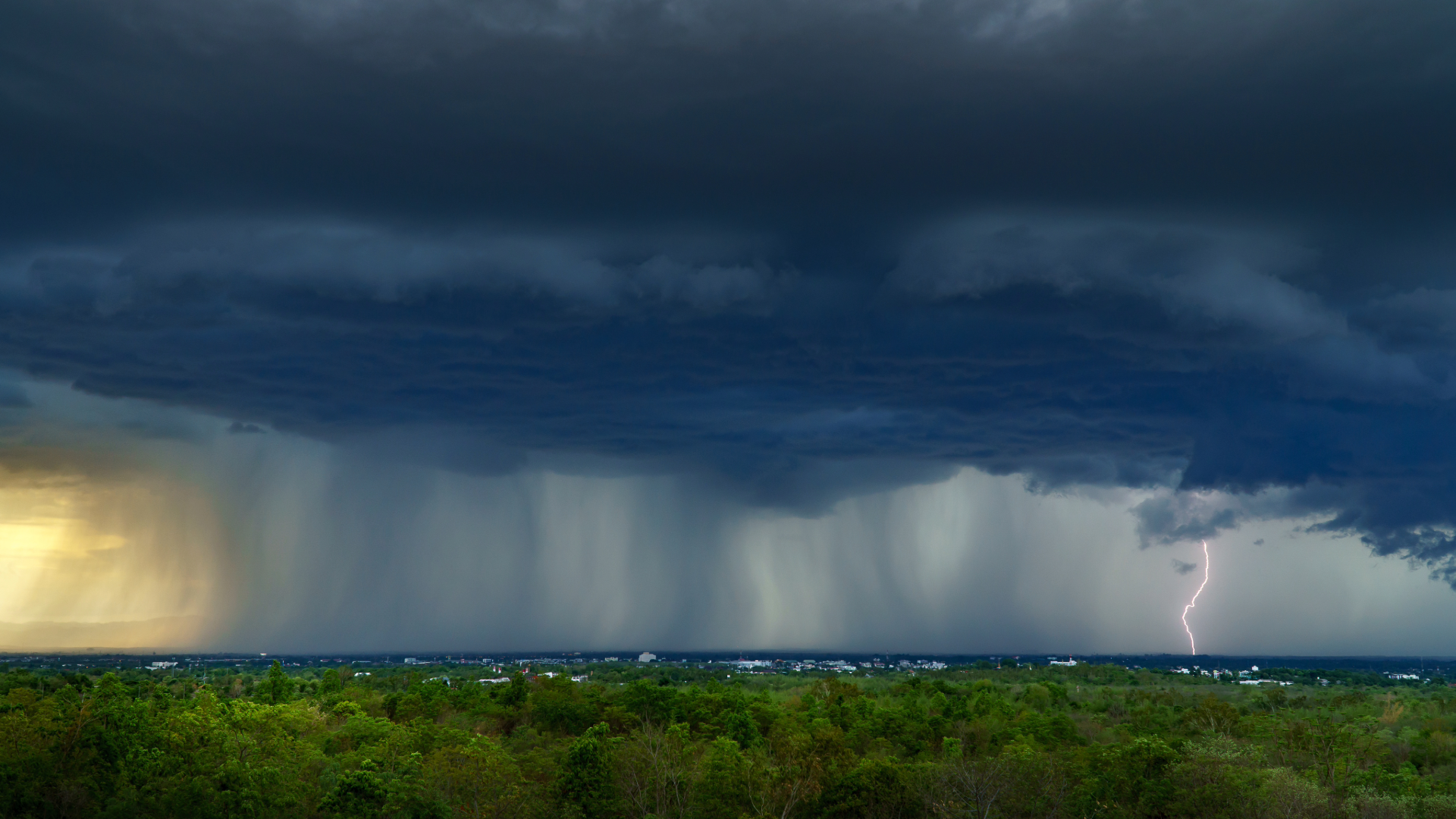
Your roof stays dry through a light shower. Then a heavier downpour arrives, and a ceiling stain appears—or an old drip returns.
A roof that leaks only during heavy rain may have a problem with flashing, damaged roofing materials, roof penetrations, or drainage. Wind-driven rain can also expose weaknesses that are less noticeable during calmer weather. An inspection is needed to identify the actual entry point.
The pattern is useful information, but it does not tell you exactly what failed. It also does not automatically mean you need a complete roof replacement.
For homeowners in Titusville and across Brevard County, the next step is to document what happens safely and arrange a professional assessment.
Why would a roof leak during one rainstorm but not another?
Rainstorms differ in intensity, duration, and wind direction. Those differences can affect whether water reaches a vulnerable part of the roofing system.
A longer period of rain may also make an existing problem more noticeable inside the house.
Roofing systems rely on several components working together, including the roof covering, underlayment, flashing, and details around openings. A roof can look generally intact from the driveway while a smaller connection or component needs attention.
Owens Corning’s roofing-system guidance explains that different components help manage water at vulnerable areas and protect against wind-driven rain. The visible shingles are only part of that system.
Areas a roofing contractor may investigate
Flashing around walls, skylights, and other intersections
Flashing helps direct water away from places where roofing meets another surface or opening.
A problem at a roof-to-wall connection or around a skylight may allow water beneath the roofing materials even when nearby shingles appear intact. The contractor needs to evaluate how the components connect, not simply look for a visibly missing shingle.
Pipe boots and roof penetrations
Pipes and other penetrations require properly installed weather protection where they pass through the roof.
Deterioration or a problem with those details can create a localized leak. An inspection can determine whether the issue is limited to that area or accompanied by other damage.
Damaged roofing materials
Cracked, displaced, or deteriorated materials may allow water into the roofing assembly. The significance depends on the material, the extent of the problem, and the condition of the layers beneath it.
Drainage problems
Clogged gutters can contribute to water backing up beneath shingles. Roof valleys—the channels where roof slopes meet—also need to carry water away effectively.
These are possibilities to investigate, not a diagnosis based on the weather alone.
Why the ceiling stain may not identify the roof’s entry point
Water can travel along building materials before appearing inside a room. The stained area may be some distance from the original opening.
That makes “patch the roof directly above the stain” an unreliable plan without further investigation.
Share the stain’s location with your roofer, but allow the inspection to trace the water path. Moisture can also have causes other than rain entering through the roof; condensation, for example, can produce similar warning signs.
Elite Roofing Systems provides roof repair and leak detection in Titusville and Brevard County, with an emphasis on identifying the source before recommending work.
What to do when you notice an active leak
1. Keep people away from unsafe areas
Stay clear of sagging or bulging ceilings and water near lights, outlets, or electrical equipment.
Do not touch wet electrical fixtures or operate electrical equipment while standing in water. If there is an immediate electrical or collapse hazard, leave the affected area and contact emergency services.
Do not climb onto the roof or enter an unsafe attic to investigate.
2. Protect belongings only when it is safe
Move furniture and valuables away from the affected area if you can do so without approaching electrical hazards or unstable ceiling materials.
For a small drip in an otherwise safe area, a container can help limit damage while you arrange assistance. Do not place yourself beneath a sagging ceiling to collect water.
3. Photograph what you can safely see
Take an overview of the affected room and closer photographs of the stain or drip from a safe position.
If conditions outside are safe, photograph visible damage from the ground. You do not need to access the roof to provide useful information.
4. Contact a roofing contractor
Describe whether water is entering now, which rooms are affected, and whether you see any hazards.
Ask whether temporary protection is appropriate and what inspection availability looks like. Professional tarping can provide temporary protection in suitable situations, but it does not replace a permanent repair.
Elite offers storm-damage roofing and emergency tarping services. Call 321-507-3841 to explain the situation and confirm availability.
A simple leak record to share with your roofer
Intermittent leaks can be frustrating because the roof may be dry by the time someone visits. Your observations can help explain the pattern.
| What to record | Details to include |
|---|---|
| First observation | Date and approximate time you first noticed the stain or drip |
| Rain conditions | Light rain, a sustained downpour, or rain with noticeable wind |
| Location | Room, nearby wall, and whether the stain appears near a skylight or fixture |
| Timing | Whether dripping started during rainfall, later in the storm, or afterward |
| Changes | Whether the stain grew or another area became wet |
| Previous work | Available records of roof installation, repairs, or work near the affected area |
| Photographs | Safe interior photos and ground-level exterior photos |
For example, “the stain in the back bedroom expanded during a long downpour” gives the contractor a clearer starting point than “the roof sometimes leaks.”
You do not need to identify the roof component yourself. Avoid recreating the leak with a hose or opening ceilings to investigate.
Does the leak stopping mean the problem is resolved?
No. The end of visible dripping does not confirm that the entry point has been repaired or that affected materials are dry.
Arrange an inspection even if the stain seems unchanged between storms. Ask whether any wet interior materials need evaluation by a separate qualified professional.
For broader warning signs following severe weather, see our guide to roof storm damage in Florida.
Will an intermittent leak require a new roof?
Not necessarily.
A localized defect may be repairable when the surrounding roofing system remains serviceable. More extensive deterioration, repeated failures, or damage across multiple areas may require a broader solution.
Ask the contractor to explain:
- Where the water appears to be entering.
- What evidence supports that conclusion.
- Which components need repair.
- Whether there are additional areas of concern.
- What the proposed work includes and excludes.
Our roof repair versus replacement guide explains that decision in more detail.
What should you keep for a possible insurance claim?
If you believe the damage may involve a covered loss, contact your insurance company promptly for instructions.
Florida’s Department of Financial Services recommends documenting damage and emergency repairs with photographs or video and retaining receipts. Keep your inspection findings and roofing estimate together with those records.
A contractor’s inspection documents roof condition; it does not determine insurance coverage. Elite Roofing Systems does not guarantee claim approval.
Why this matters on Florida’s Space Coast
Rain-related roof concerns remain relevant beyond summer. National Weather Service Melbourne records, updated through 2023, place Melbourne’s median dry-season start around October 17, with substantial variation between years.
That is historical context, not a forecast or a date when roof leaks stop being a concern.
Whether your home is in Titusville, Mims, Port St. John, Cocoa, or elsewhere in Brevard County, a leak deserves attention based on what is happening at your property—not simply the month on the calendar.
Frequently asked questions
Can my roof leak even if no shingles are missing?
Yes. Problems with flashing, penetrations, drainage, or less visible roofing damage can allow water in. A ground-level view cannot confirm that every part of the system is sound.
Can a roofer investigate when it is not raining?
Yes. Photographs, the leak history, and physical evidence can help guide an inspection. Some intermittent leaks require additional investigation; an initial dry-weather visit may not establish every detail.
Is it safe to wait for the next downpour?
Do not wait for another storm to arrange an inspection of a new or recurring leak. Record what you already know and let the contractor determine the next diagnostic step.
Does Elite Roofing Systems offer free inspections?
Yes. Elite Roofing Systems offers free roof inspections and estimates within its service area. Call to describe the problem and confirm scheduling.
Schedule a Roof Leak Inspection in Brevard County
Elite Roofing Systems is based in Titusville and serves homeowners and businesses throughout Brevard County, with select projects in Volusia and Orange counties.
If your roof leaks during heavy rain, our team can inspect the condition, explain its findings, and recommend appropriate next steps.
Call 321-507-3841 or request a free roof inspection and estimate.
Sources and further reading
- National Weather Service Melbourne: Wet and dry season records
- GAF: Identifying roof leaks
- Owens Corning: How roofing-system components work together
- Florida Department of Financial Services: Storm recovery resources
Recent Posts